Prize Wheel Online: Creative Contest Ideas That Actually Work
Date Published
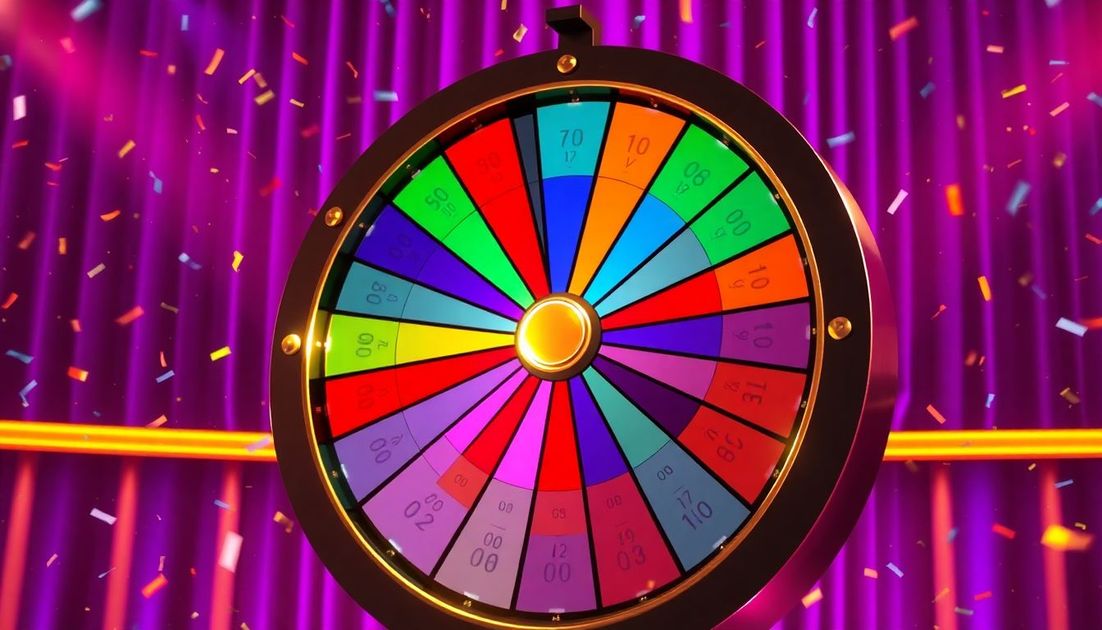
From Boring Giveaways to Viral Sensations: My Prize Wheel Journey
Three weeks ago I watched my friend Sarah's Instagram story get 847 responses in two hours. Not because she was giving away a Tesla or announcing some major life event – she was literally just spinning a prize wheel online to pick winners for her handmade jewelry giveaway. I sat there watching people tag friends, share stories, and get genuinely excited about a simple wheel spin. That's when it hit me: I'd been doing giveaways all wrong.
As someone who's spent months testing different sweepstakes platforms like Crown Coins and Pulsz for SweepsWheel, I thought I knew engagement. But watching Sarah's simple wheel create that kind of buzz made me realize I'd been missing something huge. Traditional "comment to enter" contests are dying, but prize wheels? They're bringing the carnival energy back to digital giveaways.
Why Prize Wheels Create Different Energy
There's something primal about spinning wheels. Maybe it's the visual anticipation, the randomness, or just the fact that everyone can see the process happening in real-time. Whatever it is, prize wheel online tools tap into the same excitement that makes games like Crazy Time so addictive on platforms like Stake.us.
I've been experimenting with the wheel tool at sweepswheel.com for different contest types, and the engagement difference is night and day. Instead of passive entries, you get active participation. People actually stick around to watch the spin happen.
The Psychology Behind the Spin
When I dig into why wheels work so well, it comes down to a few key factors:
- Visible fairness: Everyone can see the randomization happening
- Instant gratification: Results happen immediately, not "winners announced Friday"
- Shareable moments: The actual spin creates content worth sharing
- FOMO activation: Limited spots on the wheel create urgency
Setting Up Your First Prize Wheel Contest
After testing dozens of configurations, I've found some setups that consistently perform better than others. Here's my step-by-step process for creating wheels that actually generate buzz.
Choosing Your Prize Structure
This is where most people mess up. They either go too big (one massive prize) or too small (everyone gets a 5% discount). The sweet spot is a mix that creates different levels of excitement:
- One grand prize (40-50% of total value)
- Three medium prizes (30-40% of total value)
- Multiple small wins (10-20% of total value)
- Fun consolation prizes (free shipping, exclusive content, etc.)
For example, if you're running a $500 giveaway, structure it like:
- 1 slot: $200 gift card
- 3 slots: $75 products
- 6 slots: $15 items
- 10 slots: Free shipping codes
- 5 slots: "Spin again" (this creates amazing engagement)
Technical Setup That Actually Works
I use the tool at sweepswheel.com because it handles the technical stuff I don't want to worry about. But regardless of which tool you use, here are the settings that matter:
Wheel Configuration:
- 20-25 total slots (enough variety without being overwhelming)
- Different colors for different prize tiers
- Clear, readable text (people screenshot these)
- Moderate spin speed (too fast feels rigged, too slow gets boring)
Entry Method:
- Collect entries first, then add names to wheel
- Do the spin live (Instagram Live, TikTok Live, etc.)
- Save the wheel configuration to reuse later
Creative Applications I've Tested
The "Build Your Bundle" Wheel
This one's genius for product-based businesses. Instead of giving away one big item, create a wheel where each spin adds something to the winner's bundle. I saw a skincare brand do this brilliantly:
- Spin 1: Choose your cleanser (4 options on wheel)
- Spin 2: Pick your serum (6 options)
- Spin 3: Select your moisturizer (5 options)
- Spin 4: Bonus item or "done" (3 bonus items, 2 "done" slots)
They got four separate engagement moments from one winner, and the audience stayed engaged for the entire 10-minute process.
The "Collaboration Wheel"
If you're working with other creators or brands, this format is pure gold. Put all the collaborators' prizes on one wheel, then each partner promotes the same wheel to their audience. I've seen these wheels get shared across 8-10 different accounts, creating massive reach.
"The collaboration wheel we ran last month reached 47K people across all our partners' accounts. Individual giveaways from each brand typically hit 3-5K max. The wheel format made sharing feel natural instead of forced." - Marketing manager at a boutique jewelry collective
The "Audience Choice" Format
Let your audience build the wheel, then spin it. Ask for suggestions in your stories, add the best ones to your wheel, then spin live. This works incredibly well for:
- Content creators choosing what to make next
- Restaurants picking daily specials
- Streamers selecting which game to play
- Fitness accounts deciding workout themes
The engagement starts before you even create the wheel because people are invested in getting their suggestion picked.
Advanced Strategies That Move the Needle
The "Earned Entry" System
Instead of one-and-done entries, create multiple ways to earn spots on the wheel:
- Follow + tag a friend: 1 entry
- Share to stories: 2 additional entries
- Comment your favorite product: 1 additional entry
- Subscribe to email list: 3 additional entries
- Make a purchase during contest: 5 additional entries
This approach fills your wheel with highly engaged participants instead of random prize seekers.
The "Tiered Wheel" Tournament
Run three separate wheels:
- Bronze Wheel: Easy entry, smaller prizes
- Silver Wheel: Medium entry requirements, better prizes
- Gold Wheel: Highest entry bar, best prizes
Winners from Bronze can enter Silver, Silver winners can enter Gold. This creates multiple engagement touchpoints and gives you content for weeks.
The "Live Reaction" Component
This is where the magic really happens. When you spin live, you're not just picking winners – you're creating entertainment. I've watched people build entire personal brands around their wheel-spinning personality.
Key elements for good live spins:
- Build suspense before spinning
- React genuinely to results
- Celebrate every winner, not just the big ones
- Explain what each prize is as the wheel slows down
- Save and share the video afterward
Technical Tips for Better Wheels
Optimal Wheel Sizing
After testing different configurations, here's what works:
- 10-15 entries: Simple wheel, all names visible
- 15-30 entries: Group similar entries, use colors to distinguish
- 30+ entries: Consider multiple rounds or tier system
Mobile-First Design
Most people will view your wheel on mobile, so:
- Keep text large and readable
- Use high contrast colors
- Test how it looks in stories/posts
- Make sure the wheel fits in standard aspect ratios
Backup Planning
Always have a plan B:
- Screenshot your wheel before spinning
- Save entry lists separately
- Test your internet connection before going live
- Have a manual backup method ready
Common Mistakes I See (And How to Avoid Them)
The "Too Good to Be True" Problem
When prizes seem unrealistic for your account size, people assume it's fake. A 500-follower account giving away an iPhone raises red flags. Keep prizes proportional to your audience and business.
The "Analysis Paralysis" Trap
Some people spend weeks planning the "perfect" wheel instead of just running one. Your first wheel doesn't need to be perfect – it needs to exist. I've learned more from running 20 simple wheels than I would have from planning one "perfect" contest.
The "Set It and Forget It" Approach
The wheel spin isn't the end – it's the climax. What happens after matters just as much:
- Follow up with winners publicly
- Share winner reactions
- Post thank-yous to all participants
- Tease your next wheel
Measuring What Actually Matters
Traditional giveaway metrics don't tell the whole story with wheels. Here's what I track:
During the Contest:
- Story completion rates (how many people watch the full wheel spin)
- Share rates (wheel content gets shared more than regular posts)
- Comment quality (wheel contests generate better engagement)
- Cross-platform reach (how far the content spreads)
After the Contest:
- Winner follow-through rates
- Audience retention (do people stick around after?)
- Brand mention increases
- Future contest participation rates
Platform-Specific Optimization
- Use the wheel in stories with polls ("Guess what it'll land on")
- Create carousel posts showing wheel setup process
- Go live for the actual spin
- Share winner announcements to feed
TikTok
- Film the entire wheel creation and spin process
- Use trending audio over the wheel spin
- Create "Part 1, Part 2" content for engagement
- Encourage duets/reactions to the spin video
YouTube
- Build longer content around wheel creation
- Explain prize selection process
- Show behind-the-scenes of contest planning
- Create compilation videos of multiple spins
The Future of Prize Wheel Contests
Based on what I'm seeing across different platforms, wheels are evolving beyond simple giveaways. They're becoming interactive entertainment formats. Some trends I'm tracking:
- Multi-day wheel events (like advent calendars)
- Cross-platform wheel integration (spin on one platform, announce on another)
- Community-built wheels (audience creates all the content)
- Educational wheels (learning opportunities mixed with prizes)
The brands and creators winning with wheels aren't just using them for giveaways – they're using them to create experiences. That's the real insight I've gained from testing these tools extensively.
Whether you're running your first wheel or your fiftieth, remember that the technology is just the foundation. The real magic happens when you use that wheel to create genuine moments of excitement and connection with your audience. And honestly? That's way more valuable than whatever prize you're giving away.