Spinning Wheel Game Ideas: Creative Ways to Level Up Your Fun
Date Published
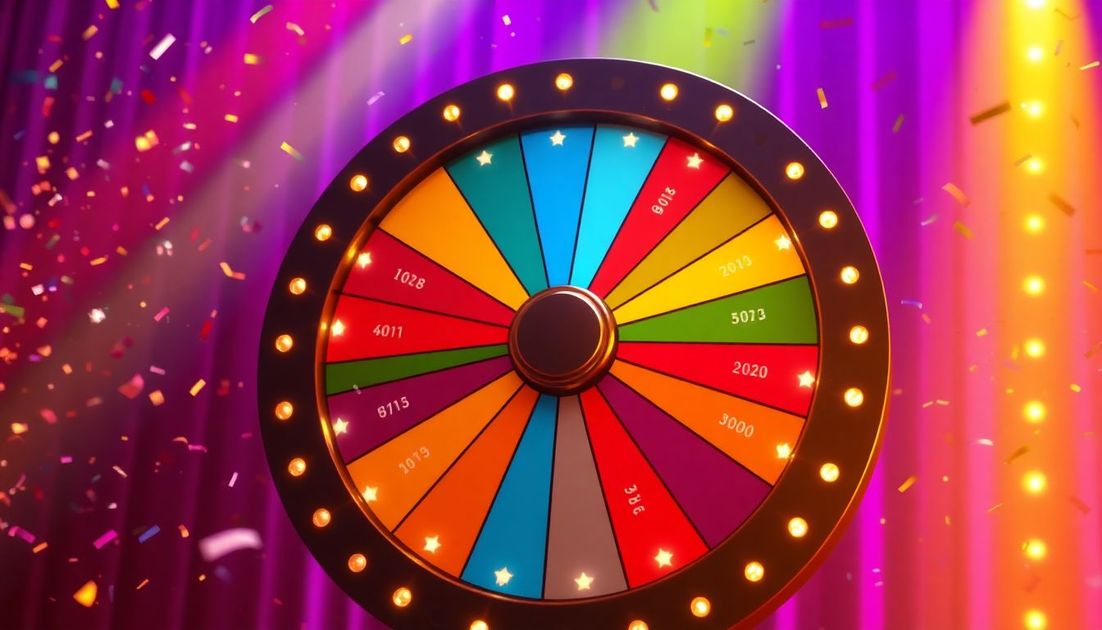
Three weeks ago I stumbled into hosting my nephew's birthday party when his mom got sick, and I had absolutely zero backup plan. Twenty hyper 8-year-olds staring at me expectantly while I frantically searched for something—anything—to keep them entertained. That's when I remembered the spinning wheel game I'd bookmarked on sweepswheel.com weeks earlier.
Best. Decision. Ever.
That little digital wheel saved the day, and it got me thinking about all the creative ways we can use spinning wheel games beyond just party entertainment. After three weeks of experimenting with different setups and scenarios, I'm convinced these tools are seriously underrated for adding spontaneity and fairness to pretty much any situation.
Why Spinning Wheel Games Actually Work
There's something magical about a spinning wheel that gets people excited. Maybe it's the anticipation as it slows down, or the fact that everyone knows the outcome is completely random and fair. Whatever it is, I've seen spinning wheel games transform boring decision-making into genuine fun.
The beauty lies in their simplicity. Unlike complex games with rules to remember, a spinning wheel game has exactly one rule: spin and see what happens. This makes them perfect for mixed groups, language barriers, or situations where you need instant engagement.
"The spinning wheel doesn't lie, doesn't play favorites, and doesn't care about your politics. It's democracy in its purest, most entertaining form." - Every teacher who's ever used one for classroom management
Creative Spinning Wheel Game Applications
Let me share some of the most successful setups I've discovered during my wheel-spinning adventures.
Party and Event Entertainment
The Ultimate Party Mixer Create a wheel with silly challenges that get people interacting:
- Tell a joke to someone wearing blue
- Find someone who shares your birth month
- Do your best celebrity impression
- Share your most embarrassing childhood memory
- Demonstrate your signature dance move
- Ask someone about their hidden talent
I used this exact setup at a friend's housewarming party, and it broke the ice faster than any formal introduction game ever could. The key is keeping challenges light and inclusive—nothing that would make anyone genuinely uncomfortable.
Kids' Party Challenge Wheel For younger crowds, try activity-based options:
- Animal charades (act like a penguin for 30 seconds)
- Silly walks across the room
- Make up a superhero name for yourself
- Lead everyone in a made-up chant
- Draw something with your eyes closed
- Tell everyone your favorite joke
Educational and Classroom Uses
Random Review Game Teachers can create subject-specific wheels for review sessions:
- Math: Different problem types (fractions, geometry, word problems)
- History: Time periods or historical figures to discuss
- Science: Lab stations or experiment types
- Literature: Character analysis, plot points, themes
I helped my sister set up a wheel for her 5th-grade class with different ways to present book reports. Instead of the same old poster board presentations, kids might get "act out your favorite scene," "interview your main character," or "design a movie poster." The randomness made preparation more challenging but way more engaging.
Participation Selector This one's genius for managing classroom dynamics:
- Student names for fair question-calling
- Group roles (timekeeper, presenter, note-taker)
- Discussion topics for Socratic seminars
- Assignment presentation order
Daily Decision Making
Family Dinner Decider End the "what's for dinner" debate once and for all:
- Taco Tuesday variations
- Pizza toppings
- Takeout restaurant options
- Home-cooked meal categories
- Family cooking responsibilities
Weekend Activity Wheel Perfect for couples or families who always end up doing the same thing:
- Outdoor adventures (hiking, beach, park)
- Cultural activities (museum, concert, art show)
- Stay-home fun (movie marathon, game night, cooking project)
- Social options (visit friends, host dinner, community event)
- Solo time (everyone does their own thing)
Building Effective Spinning Wheel Games
The Sweet Spot: 6-12 Options
After testing wheels with everything from 4 to 20 segments, I've found the magic number usually falls between 6-12 options. Here's why:
Too Few Options (3-5):
- Outcomes feel predictable
- Less excitement in the spin
- Limited replay value
Too Many Options (15+):
- Segments become too small to read easily
- Analysis paralysis when setting up
- Overwhelming for participants
The Sweet Spot (6-12):
- Perfect balance of unpredictability and clarity
- Easy to read and understand quickly
- Enough variety to stay interesting
Configuration Tips That Actually Matter
- Keep text short and punchy - "Dance for 30 seconds" works better than "Perform an interpretive dance routine that expresses your inner feelings"
- Balance difficulty levels - Mix easy wins with slightly challenging options
- Test your wheel first - Spin it a few times to make sure everything makes sense
- Have backup plans - Sometimes technology glitches, so keep a simple backup ready
- Consider your audience - What's hilarious to college friends might bomb at a corporate retreat
Advanced Wheel Strategies
The Weighted Approach Sometimes you want truly random, but other times you might want to subtly guide outcomes. For example, if you're using a wheel to assign household chores, you might want the less popular tasks to have slightly smaller segments, making them less likely to come up repeatedly.
Sequential Wheels For complex decision-making, create multiple wheels that build on each other:
- First wheel: Choose the activity type (indoor/outdoor/social)
- Second wheel: Specific options within that category
- Third wheel: Additional details or modifications
The Elimination Method Start with a large wheel of all possible options, then remove the selected item and spin again for the runner-up. This works great when you need to rank preferences or create ordered lists.
Digital vs. Physical Wheels: When to Use Which
I love a good old-fashioned cardboard spinner, but digital wheels like the one at sweepswheel.com have some serious advantages:
Digital Wheels Win For: • Easy customization without craft supplies • Perfect for virtual meetings or online events • Can be quickly modified if something isn't working • No risk of mechanical failure or bias • Easy to share screens or send links to participants
Physical Wheels Work Better For: • Large groups where everyone needs to see clearly • Situations where screen time isn't ideal • Events where tactile interaction adds to the experience • Backup when technology isn't reliable
Common Mistakes and How to Avoid Them
The "Too Specific" Trap
I once created a wheel for choosing weekend activities that was so detailed it included things like "Visit the Modern Art Museum downtown between 2-4 PM." Guess what happened when we spun it on a Tuesday? Keep options flexible enough to work in different contexts.
The Awkwardness Factor
Always consider worst-case scenarios. That "share an embarrassing story" option seems fun until your boss's boss lands on it at the company picnic. When in doubt, err on the side of mild silliness rather than potential mortification.
The Participation Problem
Some people freeze up with performance-based challenges. Always include a few "phone a friend" or "pass to someone else" options to keep things moving smoothly.
Real-World Success Stories
The birthday party wheel I mentioned earlier? It turned into a regular thing. My nephew now requests the "magic spinner game" for every gathering, and other parents have started asking me to bring it to their events.
My friend Jake uses a decision wheel for his weekly meal prep. Instead of falling into the same chicken-and-rice routine, he spins for protein, cooking method, and seasoning style. He's discovered flavor combinations he never would have tried otherwise.
A local coffee shop started using a "surprise drink" wheel where customers can spin instead of ordering their usual. The owner told me it's increased customer engagement and helped people discover new favorites. Plus, it creates natural conversation starters between strangers.
Making Your Spinning Wheel Game Memorable
The best spinning wheel games have staying power. Here's how to create experiences people actually remember:
Build anticipation - Create a little ceremony around the spin. Count down, have everyone guess the outcome, or add dramatic commentary.
Document the results - Take photos or videos of people completing their challenges. These become great conversation starters later.
Create traditions - Use the same wheel for recurring events, or make spinning the traditional way to kick off certain activities.
Embrace the chaos - Some of the best moments happen when things don't go exactly as planned. Roll with it.
Getting Started with Your Own Spinning Wheel Game
Ready to dive in? Here's my recommended approach:
- Start simple - Pick one specific use case instead of trying to create the perfect universal wheel
- Test with friends - Get feedback on your options before using it in higher-stakes situations
- Keep notes - Track which options work well and which fall flat
- Iterate quickly - Don't be afraid to modify on the fly
- Have fun with it - If you're not enjoying the process, neither will anyone else
The spinning wheel game that saved my nephew's birthday party has become one of my favorite go-to tools for adding spontaneity to everyday situations. Whether you're breaking ice at parties, making family decisions more democratic, or just trying to inject some randomness into your routine, a well-designed wheel can transform ordinary moments into memorable experiences.
Next time you're facing a decision or trying to liven up a gathering, consider giving the wheel a spin. You might be surprised at how much fun fair randomness can be.